What It Is: Emotional Amplification
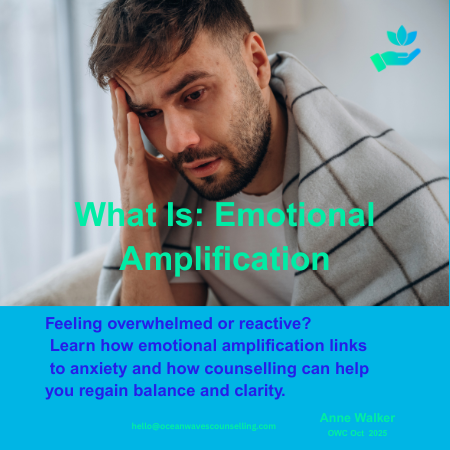
Have you ever noticed that when you are already feeling tired, anxious, or overwhelmed, even the smallest thing can set you off? Maybe a passing comment feels deeply personal, or a small mistake feels like the end of the world. This is what we call emotional amplification, when your emotional responses become magnified because your mind and body are already under strain.
It is not about being weak or overreacting. It is about your emotional system working overtime. When life has piled on too much stress, or you have been holding things in for too long, your mind starts to see every new event through a lens that is already clouded with emotion.
Let’s explore what emotional amplification looks like, why it happens, and how you can start to quieten the volume of those intense feelings.
When Small Things Feel Big
Imagine you have had a long week. You are running on little sleep, your head is full of worries, and your phone will not stop pinging. Then someone cuts you off in traffic or a colleague sends a short email that sounds blunt. Suddenly you feel anger or sadness rise up fast and strong.
It is not really about the driver or the email. It is about the emotional load you were already carrying. Your system has no room left to absorb another hit. So, your brain turns up the emotional volume, reacting more strongly than the situation calls for.
This is emotional amplification. It is when your feelings are not wrong, they are just louder than they need to be.
Why It Happens
Our brains are wired to protect us. When we are stressed or emotionally drained, the brain starts scanning for danger. It becomes more sensitive to anything that feels like a threat, even small things.
If you are living with anxiety, depression, or past trauma, your emotional alarm system may already be on high alert. The smallest disappointment or criticism can feel like a big emotional wave.
Sleep, diet, hormones, and even social media can also play a part. When your body is tired, your resilience drops. When your thoughts are filled with comparison or self-doubt, every emotion feels sharper.
It is a natural reaction, but it can leave you feeling exhausted and wondering, why am I like this?
The Link Between Emotional Amplification and Anxiety
When anxiety builds up, your body sits in a constant state of readiness. The heart beats faster, muscles tighten, and the mind races. This state makes emotions more reactive. You might notice yourself snapping at loved ones, crying more easily, or feeling anxious over things that normally would not bother you.
This does not mean you are broken. It means your emotional system is overstimulated. The good news is that with awareness and small steps, you can begin to turn the volume back down.
How to Recognise It in Yourself
Here are some signs that emotional amplification might be showing up in your life:
- You feel easily irritated or tearful for no clear reason
- You replay small events over and over in your mind
- You take things personally, even when you know logically it is not about you
- You feel emotionally drained after social interactions
- You struggle to calm down once something has upset you
- You notice your self-talk becomes harsh or negative
The first step to managing emotional amplification is noticing it. Awareness gives you a chance to pause before reacting.

How to Start Calming Emotional Amplification
- Pause before reacting
When you notice a strong emotional reaction, take a moment to breathe. You might say quietly to yourself, this feeling is louder because I am tired or stressed right now.That awareness alone helps to create distance from the emotion. - Ground your body
When emotions are loud, the body often feels tense. Try grounding yourself with simple actions like pressing your feet into the floor, rolling your shoulders, or focusing on the feeling of your breath. - Name the feeling
Saying, I feel hurtor I feel overwhelmed helps the brain process what is happening. It turns an emotional storm into something you can understand and respond to. - Check what else is going on
Ask yourself, am I hungry, tired, or overthinking?Often the feeling is louder because your body or mind is already stretched thin. - Limit emotional overload
When you are feeling fragile, be mindful about what you take in. News, social media, and constant notifications can amplify emotions even more. Give yourself space from overstimulation. - Express your emotions safely
Writing, walking, or talking with someone you trust can help release built-up emotion. Holding it in only makes the amplification stronger. - Focus on calm routines
Gentle structure can be soothing. Whether it is making a cup of tea, going for a walk, or having a few minutes of quiet before bed, these small rituals tell your nervous system it is safe to rest.
Understanding the Bigger Picture
Emotional amplification is not a flaw — it is feedback. It is your mind and body telling you that you need rest, care, or change. Many people come to counselling when emotions start to feel too big to handle alone.
In therapy, we explore what might be sitting underneath those amplified feelings — old wounds, unhelpful thinking patterns, or a habit of putting others’ needs before your own.
Once you start to understand what fuels your emotional reactions, you can respond with compassion instead of criticism. That shift changes everything.
What Helps Over Time
Emotional regulation takes practice. Here are a few longer-term ways to help reduce amplification:
- Regular check-ins: Ask yourself daily, how am I feeling, really?
- Balanced rest: Sleep, hydration, and gentle movement all support emotional balance.
- Setting boundaries: Saying no when needed protects your emotional energy.
- Mindful self-talk: Notice when your inner voice is harsh and replace it with kindness.
- Counselling support: Working with a counsellor can help you understand emotional triggers and build steadier ways to respond.
A Reflection for You
Think of a recent moment when your emotions felt louder than usual. What else was happening that week? What emotions might have been building under the surface?
Take a few minutes to write down what you notice. You might be surprised by how many small pressures were stacking up. That awareness is where change begins.
Final Thoughts
Emotional amplification is a signal, not a failure. It shows that your emotions are asking for attention, not punishment or shame.
By learning to pause, reflect, and respond with care, you begin to turn down the noise and reconnect with calm.
You deserve a life where emotions guide you, not overwhelm you. And that starts with gentle awareness, one small step at a time.
If you are finding your emotions hard to manage, counselling can help you understand what is really going on beneath the surface.
You can learn more about how I work at www.oceanwavescounselling.com, or contact me directly to book a first session.