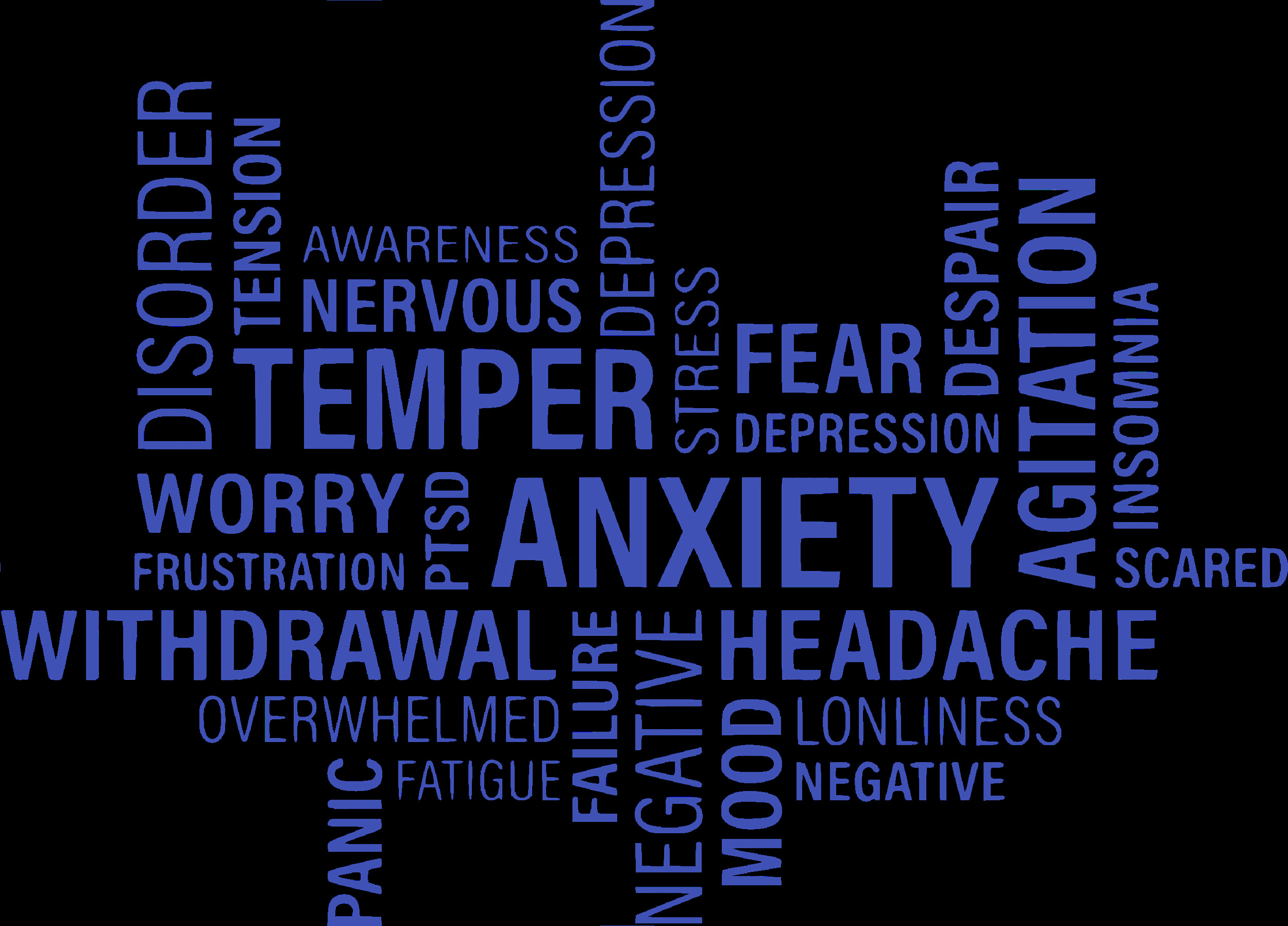
Decoding Anxiety: Spotting the Signs and Symptoms
Hey there,
Let’s talk about something that affects many of us: anxiety. It’s okay if you’re not sure what it looks like or how to recognize it. We’re going to unravel the mystery together, making it easier for you to understand the signs and symptoms.
1.Feeling On Edge? Recognize Physical Signs:
– If you often feel restless or notice tension in your muscles, don’t brush it off. Your body might be telling you something. Take breaks, stretch, or go for a short walk to ease the tension.
– Feeling tired all the time? Your body might be drained from anxiety. Make sure you’re getting enough sleep and try simple relaxation techniques like deep breathing.
– Trouble sleeping? Create a bedtime routine and note any disruptions. A good night’s sleep can do wonders for calming your nerves.
2.Emotions Running High? Check for Emotional Signs:
– Are worries taking over your thoughts? Write them down in a worry journal. Take some time to challenge those anxious thoughts, and remember, you’re in control.
– Feeling easily irritated? It happens. Take short breaks or try mindfulness to keep your emotions in check.
– Ever experienced intense fear or panic? It’s more common than you think. Plan ahead by developing strategies, emergency contacts, and a post-panic self-care routine.
3. Mind Feeling Foggy? Watch for Cognitive Indicators:
– Difficulty concentrating? Break tasks into smaller steps and use checklists. Your planner can be a lifesaver in keeping you organized.
– Memory playing tricks on you? Set up reminders and incorporate memory exercises into your routine. Small steps go a long way.
– Imagining the worst-case scenario? Challenge those thoughts. Use your planner for realistic thinking exercises, considering alternative perspectives.
4.Changing Behaviours? Keep an Eye Out:
– Avoiding certain situations? Slowly face those fears and track your progress. Small victories count, and your planner can be a visual guide to overcoming challenges.
– Striving for perfection? It’s time to set realistic expectations. Break down big goals into smaller, achievable steps, and celebrate each milestone.
– Using substances to cope? Monitor your habits and find healthier alternatives like engaging in hobbies or reaching out to friends for support.
In Conclusion:
Understanding anxiety is a journey, not a race. This guide is here to help you decode the signs and symptoms. Remember, seeking support is a strength, not a weakness. You’ve got this!
By Anne Walker